

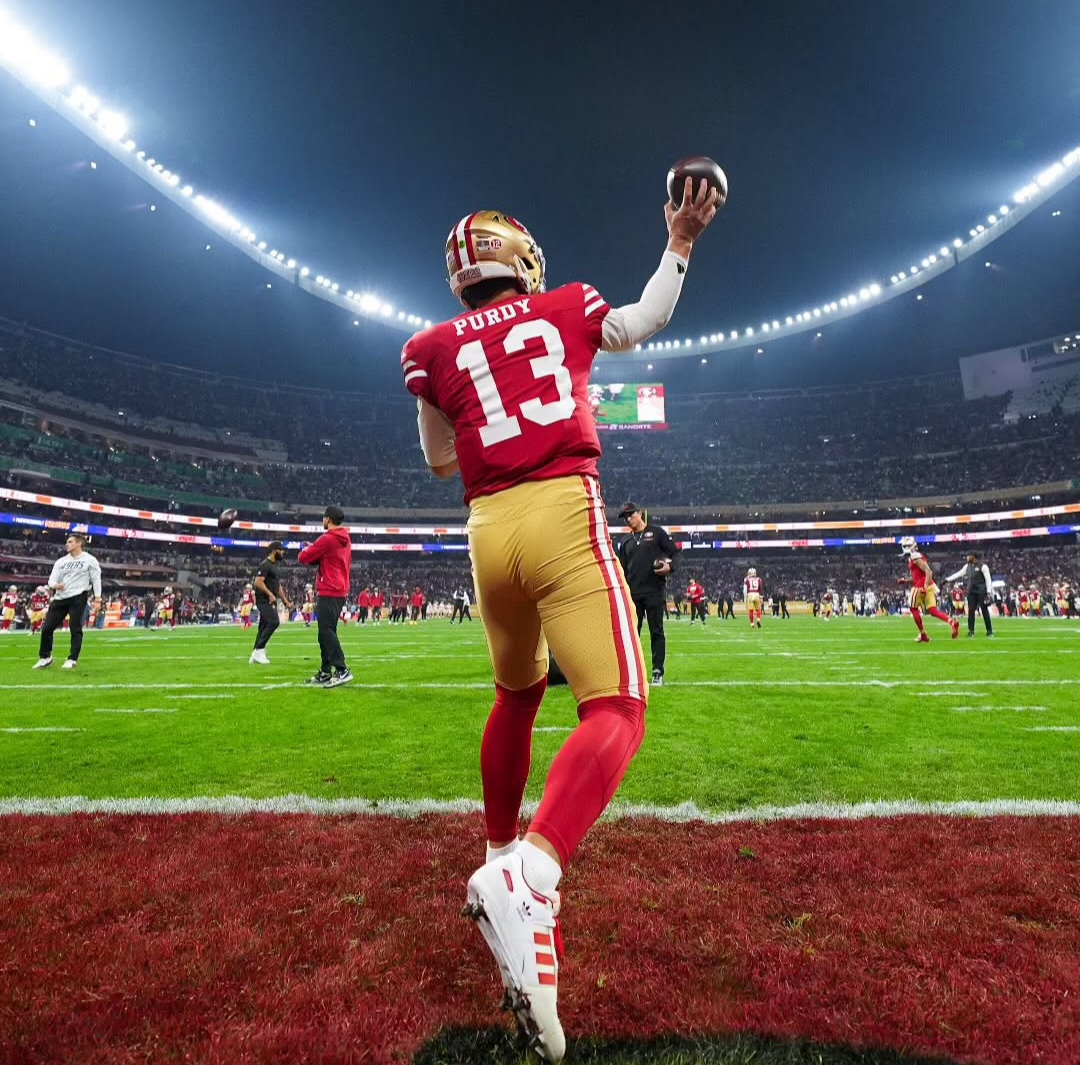

The NFL’s first regular-season game in Mexico in four years drew 85,612 paying attendees to Estadio Banorte on November 22. The San Francisco 49ers beat the Minnesota Vikings 35–10, and the league already has plans to return to Mexico in 2027 and 2028. When it announced the three-season deal, the NFL also renewed its broadcast partnership with TelevisaUnivision in Mexico.
That gives the league two ways to reach fans in Mexico. It can sell tickets to a game in the capital and put NFL programming in front of viewers across the country throughout the season. Its franchises can build their own business there, too. Ten NFL teams hold marketing rights in Mexico, including the 49ers, who renewed a sponsorship with a Mexican casino and sportsbook operator that includes watch parties and appearances by former players. The NFL also took a regular-season game to Rio de Janeiro’s Maracanã in September, where more than 72,000 fans watched the Baltimore Ravens play the Dallas Cowboys.
How Leagues Stay in Front of Fans Between Games
The Denver Nuggets and Indiana Pacers played the NBA’s 35th game in Mexico on November 7. The league’s wider business is visible at Arena CDMX even when its marquee teams are back in the United States. The Mexico City Capitanes, who play in the NBA G League, scheduled 24 home games there this season. During the NBA Finals, the league’s NBA House event in Mexico City gave partners including AT&T, Mazda, Wendy’s, and Prime Video a way to reach local fans around games played elsewhere.
The NHL maintains a lighter presence. ESPN and Disney+ carry games in Latin America and the Caribbean, with Spanish-language commentary on selected broadcasts. The Dallas Stars have built a more local relationship through Mexico City youth hockey clinics backed by MoneyGram. The partnership gives the sponsor a role in introducing families to the sport.
Latin American Teams and Players Shape What U.S. Fans Watch
For Major League Baseball, the relationship is built into the rosters. The Dominican Republic, Venezuela, and Cuba accounted for 173 of the 249 players born outside the 50 states on 2026 Opening Day rosters and inactive lists. The Dominican Summer League helps develop prospects before they reach U.S. ballparks. MLB also brought the regular season to Mexico City in April. The Padres and Diamondbacks played twice at Estadio Alfredo Harp Helú in the league’s third regular-season visit to the capital. The region’s players can also draw a U.S. television audience when they represent their countries. The World Baseball Classic final, in which Venezuela defeated the United States, averaged 10.784 million viewers on FOX and FOX Deportes in March, a tournament record.
Major League Soccer and Mexico’s Liga MX have built a competition around a rivalry their fans already follow. This year’s Leagues Cup brought together 18 MLS clubs and all 18 Liga MX clubs, with four matches played in Mexico for the first time. Apple TV carried all 62 matches globally, and select games also aired on TV in the United States, Mexico, and Canada.
The Bottom Line
The November 22 crowd in Mexico City showed the demand for a single NFL game. The business that lasts depends on what local partners can deliver season after season. In Mexico, TelevisaUnivision gives the NFL a way to reach fans throughout the season, and the Capitanes give basketball sponsors a home schedule to build around. In the Dominican Republic, baseball academies develop players who go on to shape the game U.S. audiences watch. For U.S. leagues and brands weighing where to invest, the question is what a partner can help them build in that market and what that relationship can bring back to fans at home.

