

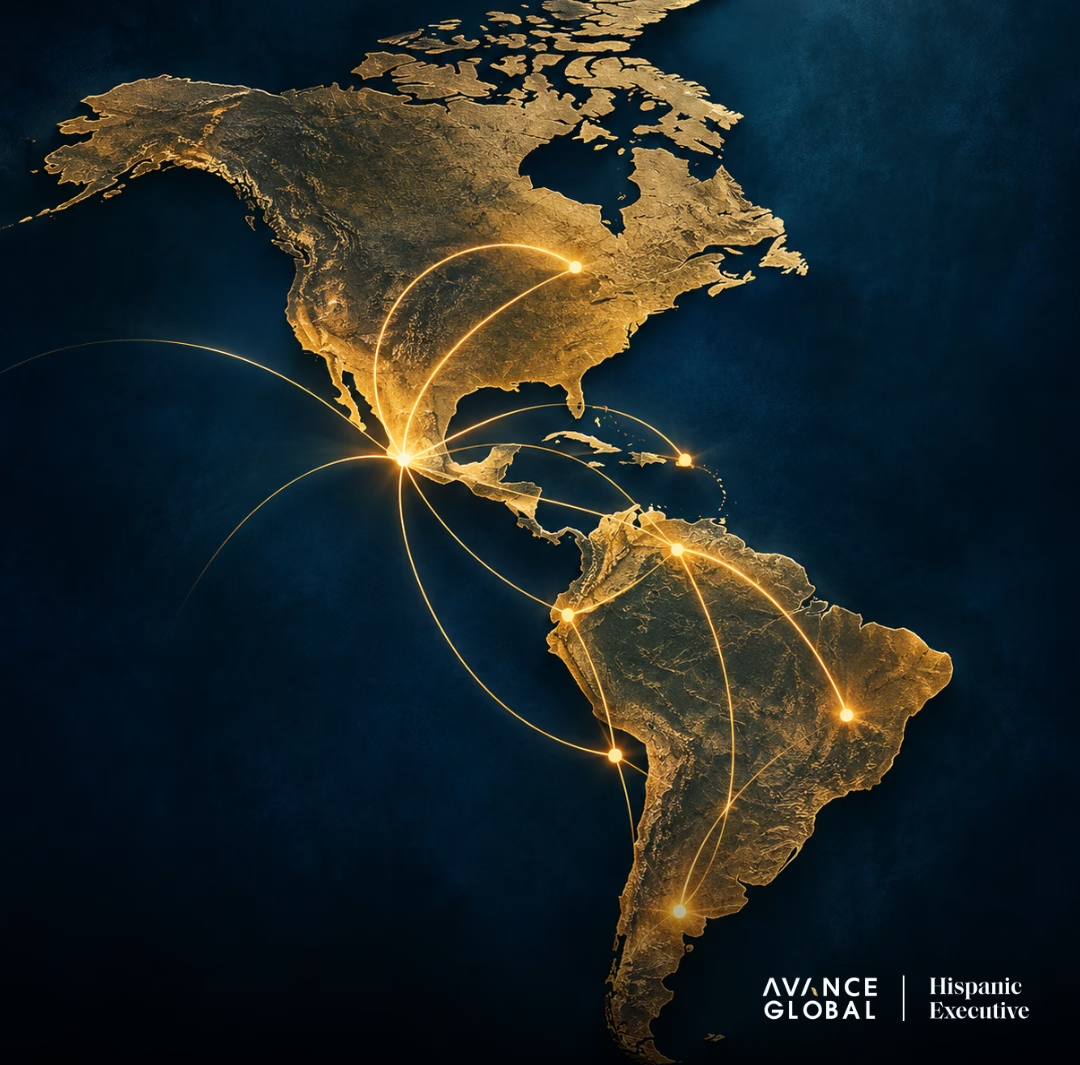

A meeting goes well. Two executives exchange ideas, discover a shared opportunity, and agree to stay in touch. Everyone leaves optimistic.
Then comes the difficult part: actually doing business together.
For companies looking to expand between the United States and Latin America, promising introductions are only the beginning. Different regulations, unfamiliar markets, financing challenges, and competing expectations can complicate even the most attractive opportunities.
And while Mexico offers a particularly compelling example of cross-border integration, the challenge extends across the region.
So what separates a good connection from a successful international business relationship?
Opportunity Is Only the Beginning
The scale of U.S.–Mexico commerce is difficult to ignore. According to the Office of the United States Trade Representative, bilateral trade in goods and services reached an estimated $964 billion in 2025.
But proximity and established trade relationships don’t automatically make expansion easy.
The OECD’s Latin American Economic Outlook 2026 highlights persistent obstacles to regional integration, including regulatory differences, trade costs, and infrastructure limitations. In 2024, exports from Latin America and the Caribbean to other countries in the region represented just 14 percent of its total exports.
These challenges vary considerably across countries. Operating in Mexico under the USMCA is different from entering Brazil, Colombia, or Chile, each with its own regulations, business environment, and commercial relationships.
Understanding those differences matters as much as recognizing the opportunity.
Trust Is a Business Asset
It’s tempting to think international partnerships succeed primarily because both sides see a financial benefit.
Research suggests the relationship itself deserves equal attention.
A 2023 review published in the Journal of International Business Studies examined 162 studies on trust between organizations operating across borders.
The researchers found that trust is associated with stronger international business relationships, including better communication, knowledge sharing, and cooperation between partners.
This isn’t unique to Latin America. Trust matters wherever companies must coordinate across different markets and organizations.
But trust doesn’t simply emerge from a successful networking event. It develops through reliable communication, demonstrated competence, shared expectations, and the willingness to follow through.
For executives, that means asking questions beyond whether a potential partner is well-connected. Do they understand the market? Can they deliver? Are both sides clear about their responsibilities?
A promising relationship becomes more valuable when those questions have convincing answers.
From Relationships to Results
Even strong relationships face practical obstacles.
A 2025 Inter-American Development Bank study examined buyer-seller networks using detailed U.S. import transaction data. It found that trade costs negatively affect both the formation and duration of international business relationships.
In other words, establishing a connection and sustaining it are two separate challenges.
Mexico’s experience illustrates the practical considerations involved. The U.S. Commercial Service advises companies entering the market to conduct due diligence, seek appropriate legal counsel, and account for customs requirements, product standards, and financing conditions.
Similar considerations arise throughout Latin America, although the specific requirements differ from country to country.
There is also a broader economic reality worth considering.
According to UNCTAD’s World Investment Report 2026, foreign direct investment into Latin America and the Caribbean increased in 2025, while the value of announced greenfield projects declined. More investment flowing into a region doesn’t necessarily translate into more new productive projects.
For business leaders, the distinction is important. Identifying capital or finding an interested partner is not the same as developing an opportunity that can withstand financial, operational, and regulatory scrutiny.
The most productive international partnerships combine relationships with preparation: clear objectives, local expertise, realistic expectations, and a shared understanding of the risks.
A handshake can open the door to a new market. What happens afterward determines whether there’s a business on the other side.

