

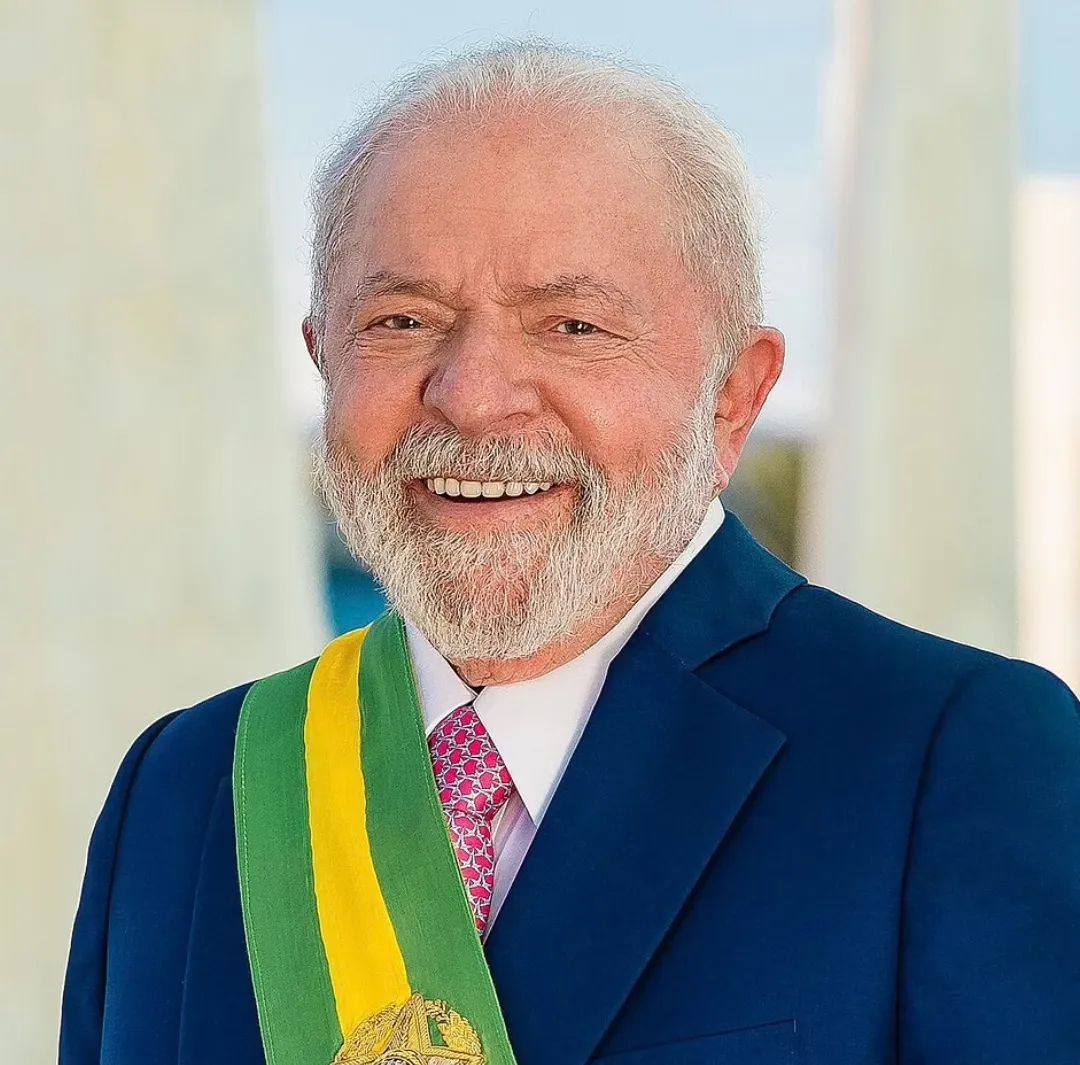

Brazilian President Luiz Inácio Lula da Silva secured a fourth nonconsecutive term on Sunday, October 25, defeating conservative Senator Flávio Bolsonaro with 51.79 percent of the vote. The unexpected outcome rattled financial markets and brought renewed attention to the economic policies of Latin America’s largest economy.
On Monday, Brazil’s benchmark Ibovespa index plunged more than 15 percent during trading, while the Brazilian real fell more than 11 percent against the US dollar at its weakest point. The selloff reflected investors’ concerns about the country’s fiscal outlook after markets had increasingly anticipated a Bolsonaro victory.
But beyond the immediate market reaction, Lula’s reelection raises a broader question for American businesses: What does another four years of his administration mean for trade, investment, and growth opportunities in Brazil?
A $135 Billion Economic Relationship
Brazil is one of the United States’ most significant commercial partners in Latin America, with bilateral trade in goods and services reaching an estimated $135.7 billion in 2025, according to the Office of the United States Trade Representative (USTR).
That relationship is particularly important for American exporters. The United States recorded a $14.4 billion goods trade surplus with Brazil last year, exporting $54.3 billion in merchandise while importing $39.9 billion.
These figures illustrate why economic relations between Washington and Brasília extend well beyond political differences. Brazil represents a major market for American products, technology, and professional services, while US businesses remain important participants in the Brazilian economy.
Yet the relationship has become increasingly complicated.
In July 2026, the Trump administration announced an additional 25 percent tariff on most Brazilian imports, with exemptions for certain products, following a Section 301 investigation into Brazilian trade practices.
Washington cited concerns involving digital commerce, intellectual property, electronic payment systems, and market access, among other issues. The Brazilian government has disputed aspects of the US approach.
Lula’s victory means these unresolved trade tensions will remain on the bilateral agenda, with potential consequences for companies operating across both markets.
The Investment Question
For investors, Brazil’s domestic economic outlook presents another challenge.
The International Monetary Fund projected Brazil’s economy would grow 2.4 percent in 2026, following 2.3 percent growth in 2025. Despite that resilience, the country faces mounting fiscal pressures.
The IMF projects that Brazil’s gross government debt will reach approximately 98 percent of GDP in 2026, highlighting concerns about public spending, borrowing costs, and long-term fiscal sustainability.
Investors will now be watching how Lula balances his administration’s social spending commitments with demands for greater fiscal discipline.
The composition of his next economic team, particularly the appointment of a finance minister, could provide an early indication of the administration’s priorities.
For American companies considering expansion in Brazil, these decisions matter. Interest rates, currency fluctuations, taxation, and regulatory stability can directly influence investment costs and expected returns.
Political continuity may provide some predictability, but it does not eliminate economic uncertainty.
What Comes Next
Lula’s fourth term will begin amid significant economic and political constraints, including a conservative-leaning Congress and renewed scrutiny of Brazil’s fiscal direction.
His immediate challenge will be reassuring investors while maintaining the domestic priorities that helped secure his reelection.
For American executives, three developments will be particularly important: the direction of Brazil’s fiscal policy, the future of bilateral trade negotiations, and the regulatory environment for foreign investment.
The market reaction to Lula’s victory underscores the uncertainty surrounding those decisions. But the strength of the US-Brazil commercial relationship suggests that economic cooperation will remain important regardless of political differences.
Ultimately, the implications for American businesses will depend less on the election result itself than on the policies that follow.

