

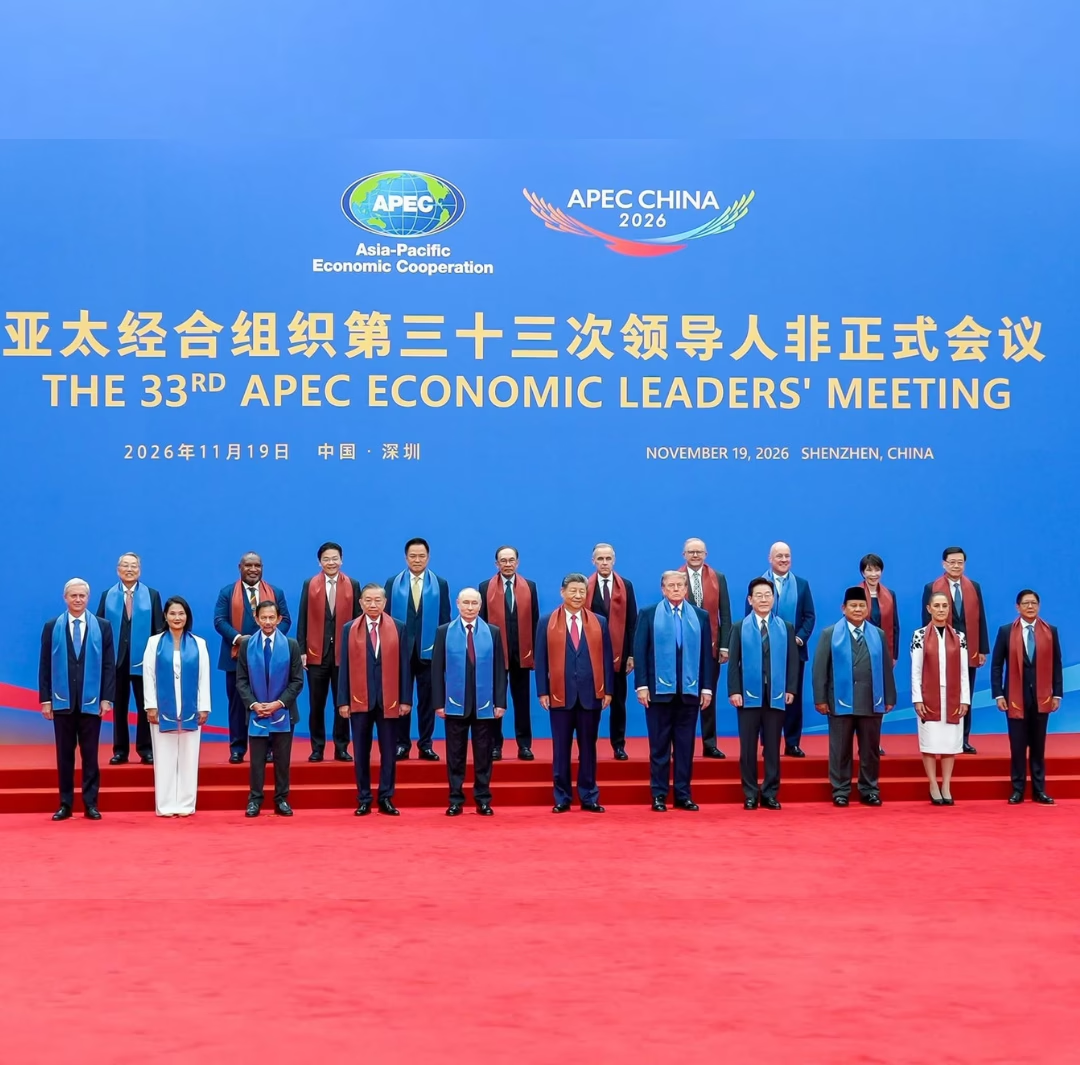

On the final day of the APEC summit in Shenzhen, Chile signed a trade agreement with the Philippines and Peru signed one with Thailand. The deals give exporters from both countries a path to better terms in Southeast Asia. For US manufacturers that buy parts from Mexico or operate on both sides of the border, the more immediate development came from a meeting between Mexican President Claudia Sheinbaum and US President Donald Trump. Sheinbaum said talks on tariffs had advanced and that the two leaders would meet again in December.
The 21 economies of the Asia-Pacific Economic Cooperation forum also backed voluntary cooperation on digital customs, supply chains, and emerging technologies. For companies weighing where to buy, build, or sell, the meetings alongside the summit offered more specific developments to track.
What’s at Stake for US-Mexico Supply Chains
Sheinbaum said Mexico had made progress in talks to lower US tariffs on vehicles, steel, and aluminum. She said she and Trump agreed to meet again at the G20 in Miami in December, where she hopes to reach a deal. Until any changes take effect, US companies sourcing affected goods from Mexico still have to budget for the current duties.
The longer-term question is whether the three countries will extend the US-Mexico-Canada Agreement, which remains in force. In Shenzhen, Sheinbaum and Canadian Prime Minister Mark Carney reaffirmed their support for renewing it. The talks on sector-specific tariffs and the treaty’s extension have different stakes for businesses. One could change the cost of particular imports. The other concerns the trade rules companies rely on for longer-term investment and sourcing decisions.
Mexico also reported agreements on technical cooperation with China after Sheinbaum’s meeting with President Xi Jinping. The areas discussed included batteries and power grids. Sheinbaum ruled out pursuing a free trade agreement with China.
Where Chile and Peru Are Looking for Growth
Chile became the first Latin American country to sign a trade agreement with the Philippines. Chile’s trade authority estimates that the pact will give preferential access to goods accounting for about 90 percent of the value of Chile’s current exports to that market. The products include salmon, wine, and cherries. Chile and the Philippines traded $143 million in 2025, with salmon and wine among Chile’s leading exports to that market.
Peru already had trade preferences with Thailand. Once the new agreement takes effect, the share of Thai tariff lines offering preferential treatment to Peru will rise from 66 percent to 94 percent. The deal also covers services, including financial services. Peru exported $120 million in goods to Thailand in 2025.
For US investors with holdings in Chile or Peru, the agreements offer a way to assess where portfolio companies could reach new customers and which products may qualify for better terms.
APEC Returns to Latin America in 2028
Vietnam will host APEC in 2027 and Mexico in 2028. Chile is scheduled to host in 2032 and Peru in 2034. By the time Mexico hosts, businesses will have had time to see whether the two Southeast Asian deals are creating new sales opportunities. For US companies buying vehicles, steel, or aluminum from Mexico, the nearer-term test is whether the Miami meeting yields a tariff agreement with rates and dates they can put into their sourcing plans.

