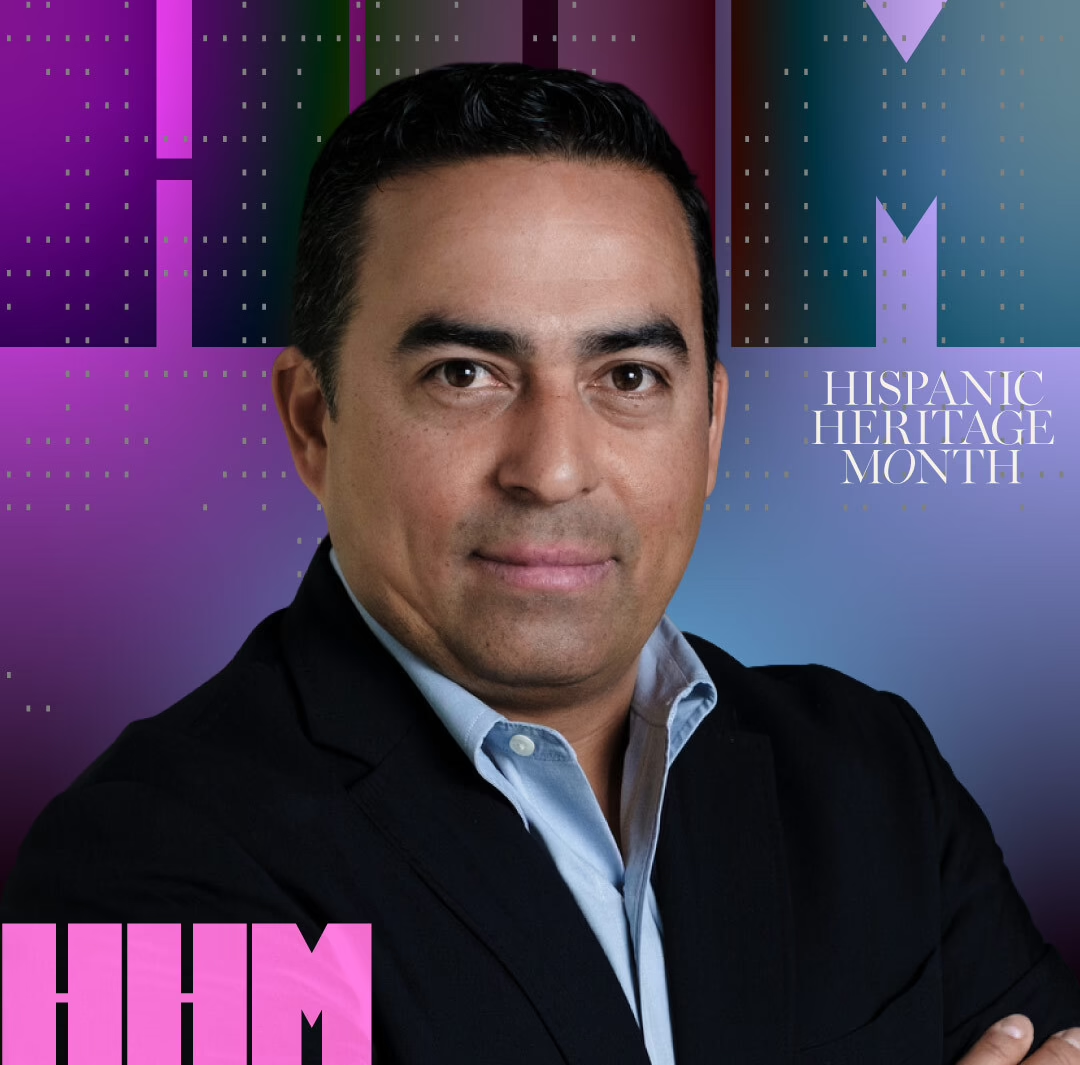

Nearly fifteen years later, Alvaro Silva is still amazed he actually made it to Coca-Cola. In high school in Colombia, the current Latam central zone vice president and CFO wrote his thesis on how to start a business using the principles of Coca-Cola and McDonald’s. Some thirty years later, after immigrating to the US, starting a family, and both starting and transitioning out of a successful stint in commercial banking, Silva went on to become an M&A specialist for his longtime white whale.
“Coca-Cola was always my dream company,” Silva says. “I just didn’t know how I was ever going to get there.”
Since finding his way in, back in 2011, the VP has worked through nine roles at Coke. And with his latest promotion, Silva is tasked with accelerating growth across Central America.
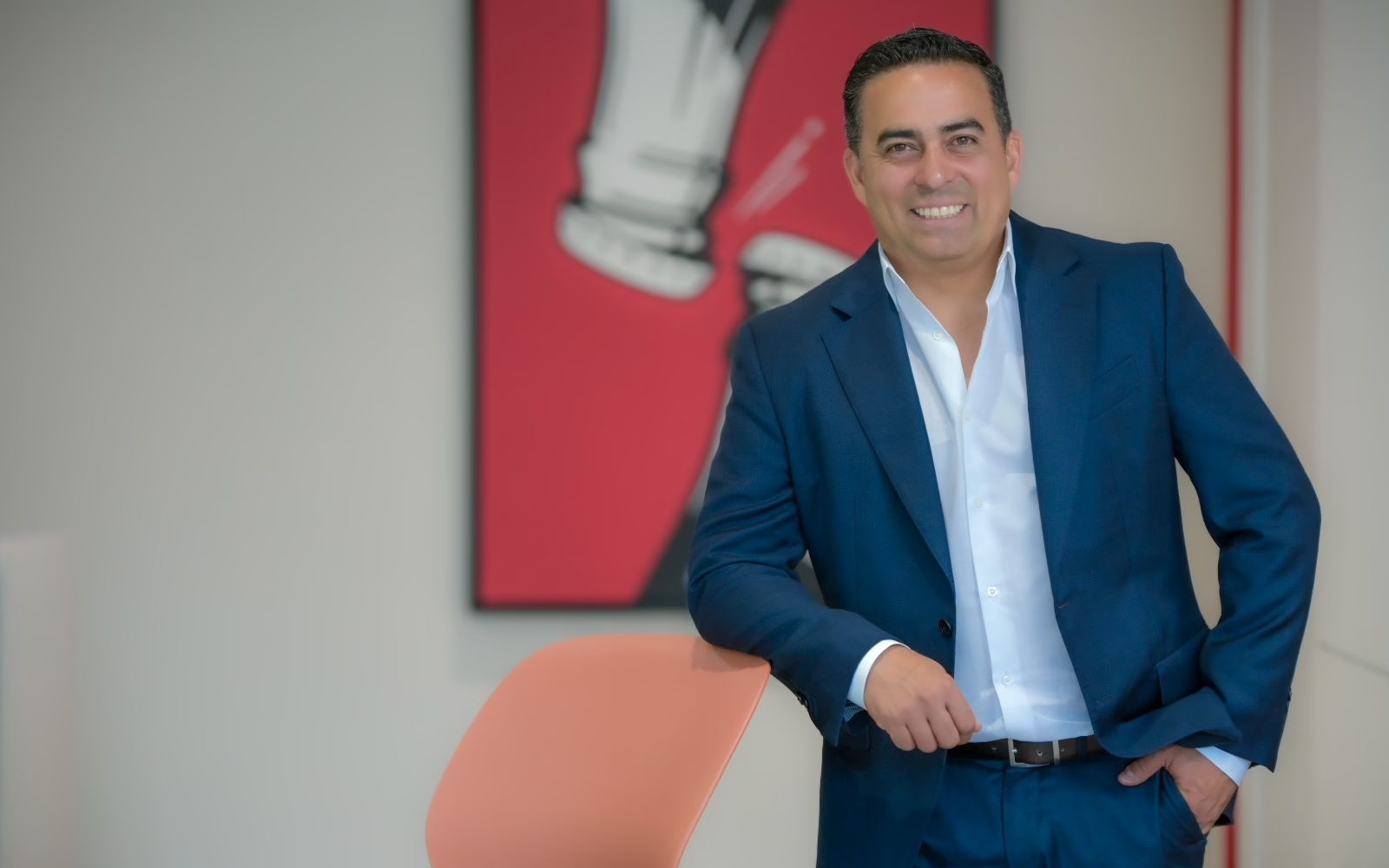
Finding The Way to Coke
But first, Silva had to find a way to transition out of a successful banking career that included Bank of America, United Americas Bank, and Washington Mutual.
While finishing his MBA and working as a financial analyst at Bank of America, Silva’s network delivered the opportunity he’d long imagined. A classmate’s wife, who worked at Coca-Cola, shared his story with her boss as she prepared to leave the company.
Her manager asked to speak with Silva and soon offered him a role, though the specifics were hazy. “They only told me I was going to be doing PowerPoint presentations and Excel spreadsheets,” Silva remembers.
His first day at his dream job was a memorable one. His first assignment was to color in US maps for a presentation that would be given to the board of directors.
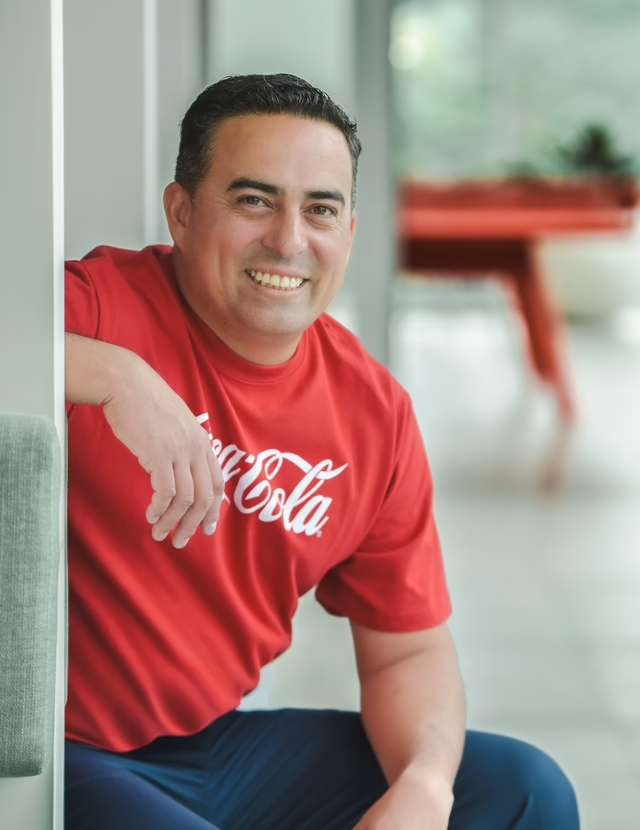
“I remember thinking, I went through an MBA to do what I did in kindergarten,” Silva says, laughing. “But I was committed to doing the best at whatever my job was going to entail.”
Simple as the task may have been, it was the foundation for something infinitely more complex. Silva was able to maneuver the project into a full geospatial technology project, building capabilities that the company didn’t previously have. That technology allowed Coca-Cola, during its mammoth transaction with Monster, to estimate valuations and estimate value within minutes, substantially strengthening the company’s ability to assess and execute complex deals in North America.
“Internally, they didn’t think it could be done,” Silva says. “We were able to get it done in a year-and-a-half.”
The geospatial project marked Silva’s transition into a mergers and acquisitions specialty at Coca-Cola. Over time, he built a reputation as a dealmaker who could blend data, strategy, and negotiation, skills he developed leading sales teams in banking and later refined in the world of corporate finance. He moved from US-focused work into Latin American projects, gradually becoming the go-to person for key transactions across the region.
Leadership Shaped by Many Cultures
That kind of longevity says something about the company, but the clearest read on Silva’s leadership comes from the people who sit across the table from him. He has served on the board of Petstar, the Mexican recycling operation Coca-Cola Mexico partially owns, since 2019, and the partners there do not hedge when they talk about him. They call him a true supporter and sponsor of the business, someone invested in whether it wins rather than someone monitoring it from a distance. They have worked with a lot of executives at Coke over the years. None of them, they say, has been as great or as supportive as Silva.
The same pattern shows up everywhere else he lends his time. He joined the strategic investment board at Kamay Ventures in 2019, representing Coca-Cola alongside a second Coke executive, and five years in, the people he serves with describe him as dynamic and energetic, committed, and results oriented. Consulting partners who worked with him on a finance localization project across Latin America, building the framework for how finance teams engage with each other region-wide, land on the same words: energetic, driven, a great partner. Those relationships have outlasted the projects that created them, and in more than one case, outlasted the firms and roles the people held at the time.
What connects it all is a leadership style built in transit. Silva has led teams across continents, and he leads the way someone does who has had to learn a new market, a new team, and occasionally a new language on arrival. He listens before he moves. He treats bottlers, boards, and outside partners as collaborators rather than counterparties. And he is reachable, which sounds like a low bar until you consider how few executives at his level actually are. The people around him know what they are getting.
Emerging Markets and Students of the World
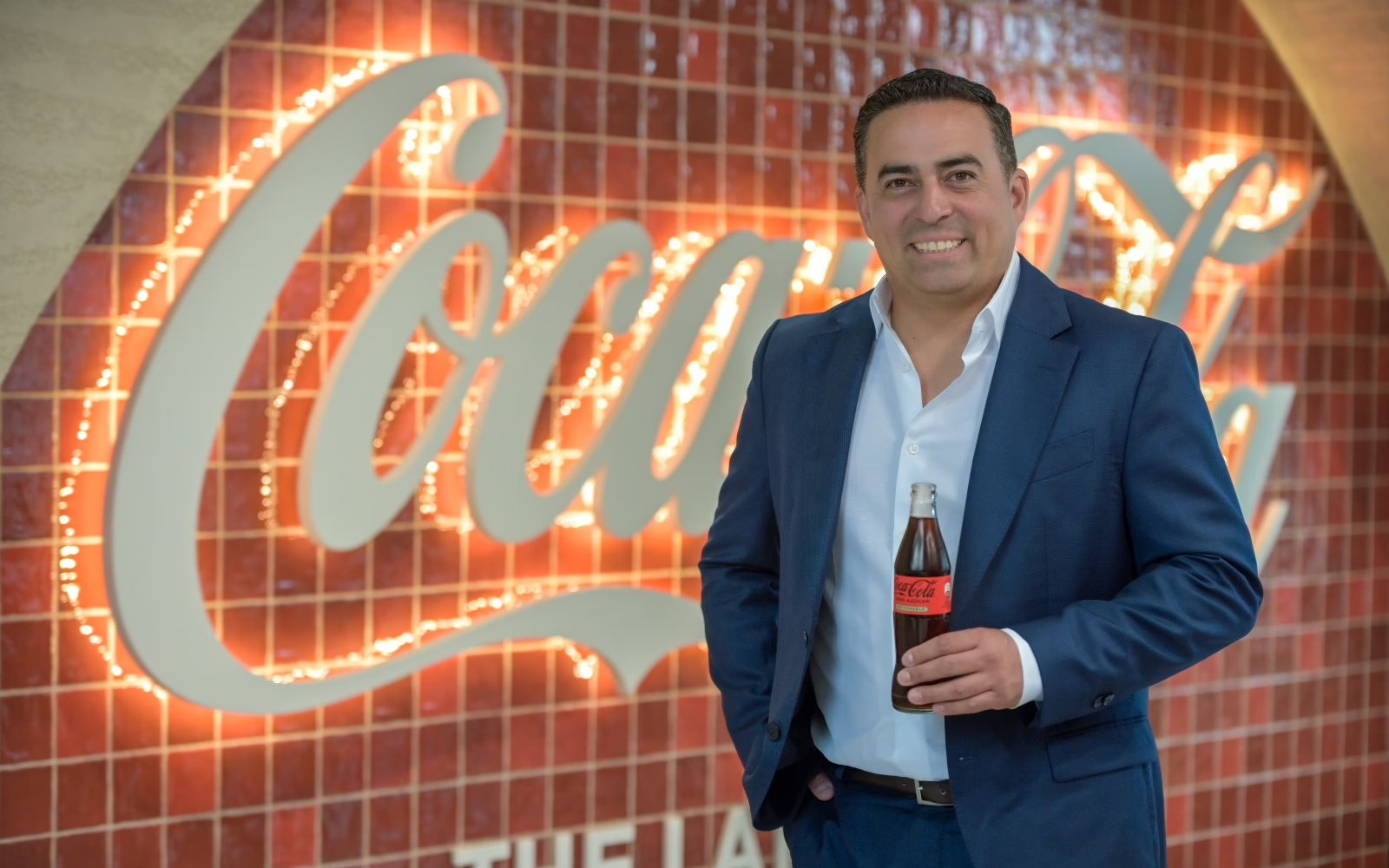
Today, Silva serves as VP Franchise Finance of Coca-Cola’s Central Zone in LatAm, overseeing P&L management and franchise relationships across 34 countries—from Guatemala through Panama, the Caribbean nations, the Guyanas, Venezuela, Colombia, Peru, and Ecuador. His team manages the financial relationship with bottlers throughout those territories and collaborates closely with them to build growth strategies and identify new opportunities across the system.
On the way to Coca-Cola, Silva made good on promises he made to his parents, both of whom are no longer living.
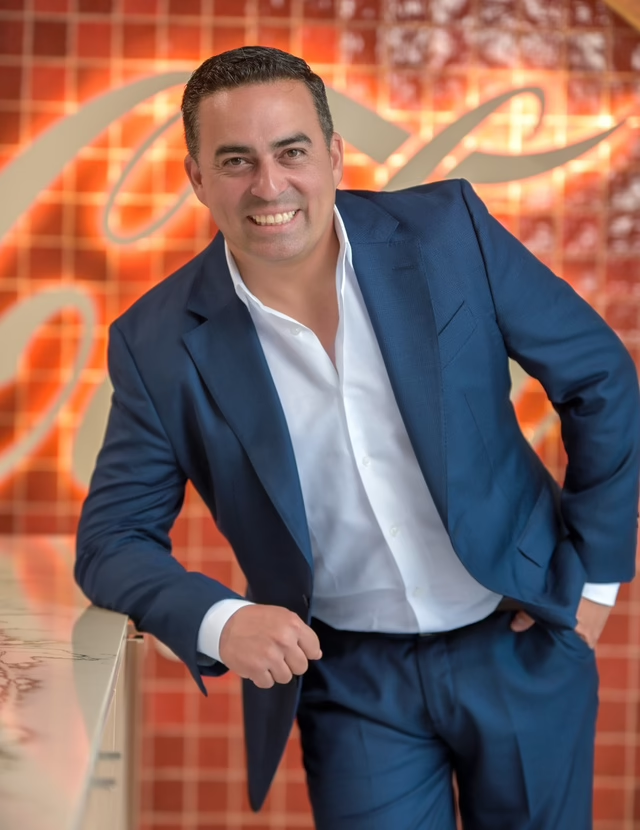
“I told them that I would finish my degree and that I would earn a master’s from a private US university,” Silva remembers. “That was something unthinkable for our family at that time, and it means a lot to me that I was able to fulfill that promise to them and make them proud.”
It made the long nights sitting at a dining room table with a friend drilling GMAT problems, after he’d put his children to bed, feel worthwhile. It was especially meaningful when he was accepted to Emory University’s Goizueta Business School because its namesake was the former chairman and CEO of the Coca-Cola Company.
The VP has made multiple moves, including to the US, Mexico, and Costa Rica, on behalf of his employer. And he believes that it’s one of the best decisions his family has ever made. When his family moved to Mexico in 2019, Silva says his daughters were naturally reticent to leave behind the world they knew. The girls grew to love their life in Mexico, and they now proudly maintain relationships with friends across the world, byproducts of the relationships formed at the international school they attended. As the Silva family prepares a move to Costa Rica for Silva’s new role, the VP says his youngest daughter is looking forward to reengaging with a culture that feels closer to her as a person, despite being born in the US.
“I just wanted my children to have a truly multicultural experience, and I think I’ve been able to provide that for them,” Silva says. “That’s just one of the many reasons I’ve stayed here for so many years.”
“For more than 30 years, PetStar has proudly demonstrated that a 100% Mexican company can lead innovation in the circular economy. Through our Sustainable Business Model, we create high social, environmental, and economic value, advancing a climate-responsible circular economy with a human rights perspective. This journey has been possible thanks to the unwavering commitment of The Coca-Cola Company to sustainability, whose vision and support have been instrumental in PetStar’s growth. Together with our shareholders, we remain committed to accelerating circularity and creating shared value for Mexico.”
–Jaime Cámara, CEO, PetStar