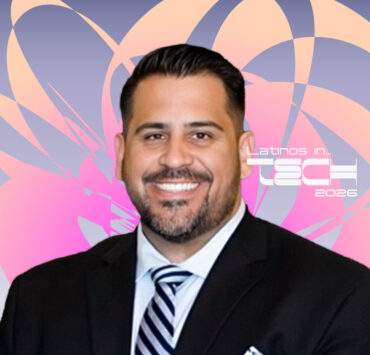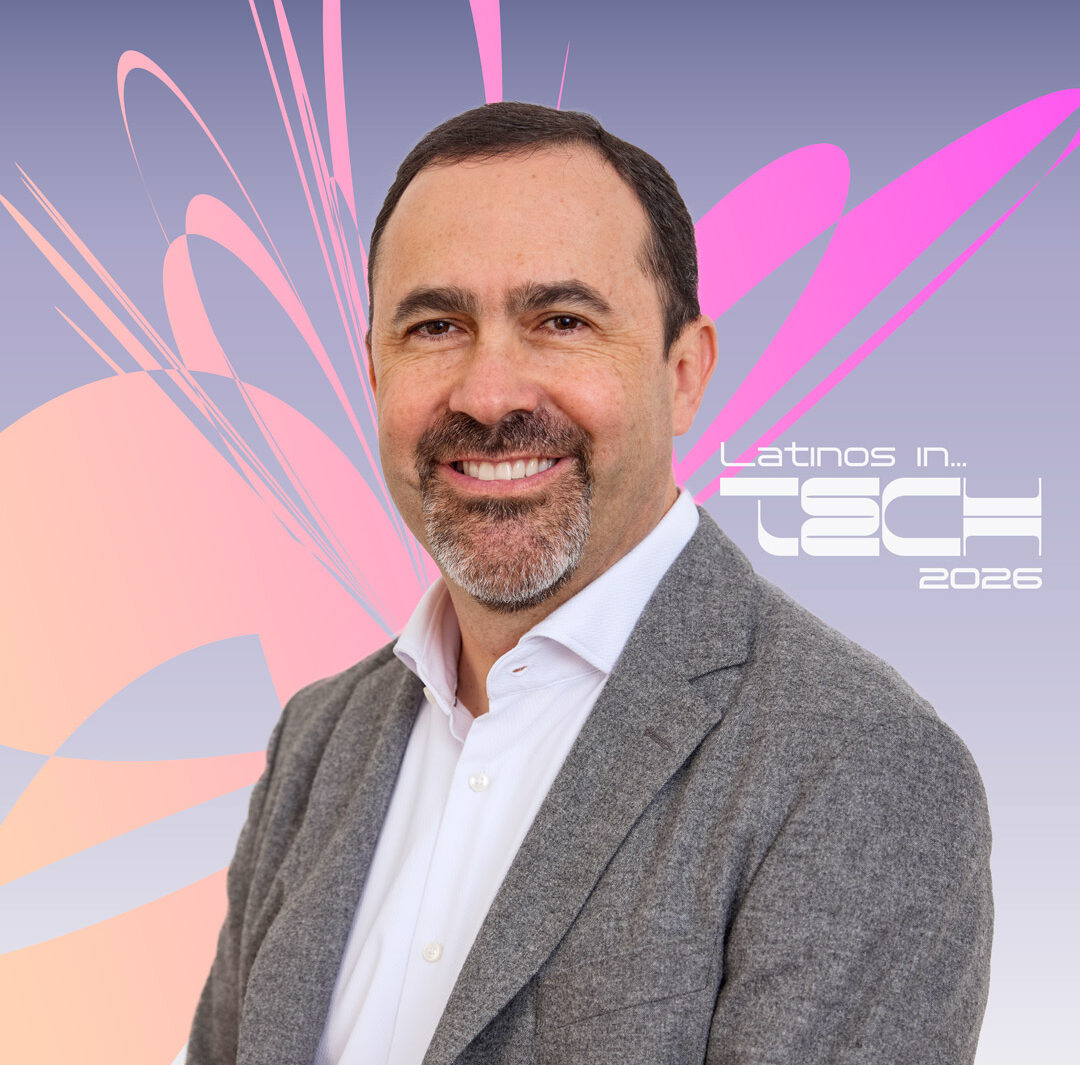

Alfonso Calderon was a Fulbright Scholar armed with one of his two eventual master’s degrees. Self-motivated and self-funded, he had made his way to the US from Ecuador to continue his education and make headway in a business and finance-focused career. In his first management role at Dell , he inherited a team of eight. Within six months, four employees—half of his management oversight—resigned.
“My growth as a leader came with some very hard lessons,” Calderon says. “I have failed and failed big. And I hope I have learned a lot from those tough moments.”
Calderon is now nearing his twenty-third year at Dell Technologies, currently serving as vice president of global financial planning and analysis (FP&A). Calderon says that VPs and executives at Dell in many cases have spent long periods of time learning the ins and outs of the organization and business. It’s not required for executive-level roles, but it’s a sign that understanding Dell’s DNA goes a long way.
That tenure through six technical title changes and dozens of different experiences doesn’t happen for someone who doesn’t know how to lead effectively. Calderon has learned a lot since his early years in management, winning an SVP Excellence Award along the way, and learning what it means to truly be invested in the careers of the people he oversees.
Rising Through Dell
Calderon joined Dell in 2003, when the company was still primarily known for PCs and a direct-sales model rather than the end‑to‑end technology platform it is today. His early roles in finance operations, FP&A, and corporate development immersed him in product P&Ls, regional performance, and the financial logic behind new ventures.
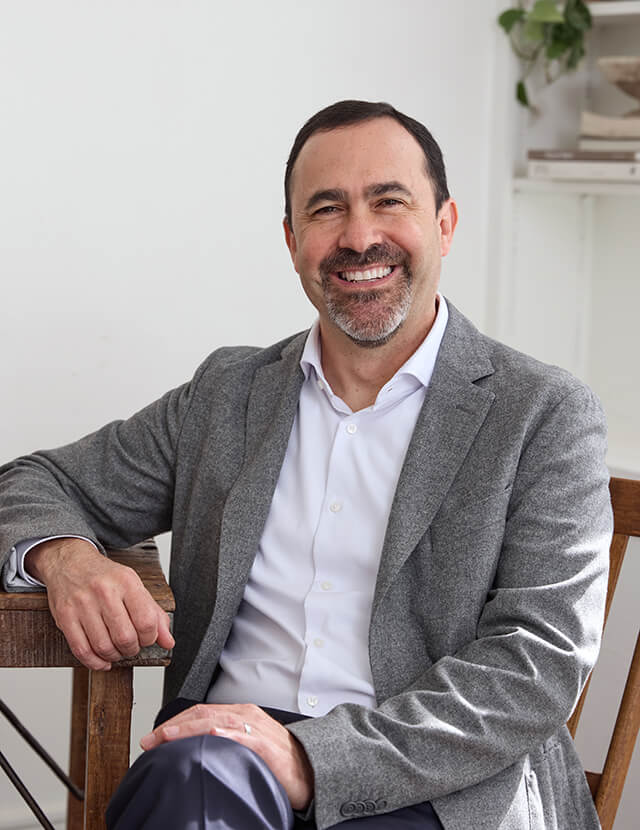
He moved up and through the organization, helping lead the transition of the company’s worldwide P&L from a regional to a business‑unit structure, a complex effort that earned him a Dell CFO Vision Award in 2009. Later, as a director in corporate development, he helped drive acquisitions, venture investments, and divestitures for Dell’s Enterprise and Client Solutions groups, work that culminated in the SVP Excellence award.
In 2016, Calderon stepped into his current role, leading FP&A for Dell’s Services business and IT organization. In a company that operates at a massive scale, he focuses on clarity: what matters now, what will matter three years from now, and how to balance innovation with operational discipline.
Learning to Lift
Calderon credits the mentors who saw potential in him long before his title had “vice president” attached. Senior leaders at Dell gave him messy, high‑visibility assignments, invited him into strategy discussions early, and, crucially, offered candid feedback when his technical expertise outpaced his leadership maturity.
“My growth as a leader came with some very hard lessons. I have failed and failed big. And I hope I have learned a lot from those tough moments.”
Alfonso Calderon
He also learned what kind of leader he wanted to be by investigating his relationships with his own mentors. Calderon wanted to pursue a rotation in Singapore to learn more about Dell’s APJ operations, having come from Ecuador and learned the State-side operations, he wanted to get a wider perspective on how the company operated in a part of the world he didn’t know as well. Initially, his mentor told him, point-blankly, that it was not a great idea.
“He told me what he thought I should do,” Calderon recalls. “Then he said we would talk about it in a week. I came back with the reasons that I thought it was important for me to go. He told me that while he still didn’t agree with me, that I had given him enough thoughtful reasons where he was comfortable with me making my own choice. That taught me a lot.”
When Calderon coaches his mentees now, he says it’s not always about providing answers. That’s a critical part of being a mentor. The job isn’t always to provide the path. Sometimes, being a sounding board, albeit maybe a critical one at times, is all that’s called for.
Driven but Empathetic
The Dell VP admits that he is in endless pursuit of excellence. That is part of what made him hard to work for as a young manager, and it can be what challenges his people today. But how that plays out is fundamentally different from his younger years.
“You have to make sure your people know that you lead with empathy, not just saying it,” Calderon explains. “People need to trust you. People need to believe in you. And people need to know that when you push, it’s because you believe in them.”
That pursuit of excellence, Calderon says, can be tricky. Sure, it can pull off some incredible wins and create some high-water marks in the short term. But if pushed too hard and too coldly, motivation and performance become victims of ambition. Finding the balance between high standards and high motivation is the bailiwick of only the best kind of leaders. Calderon aims to be in that select tier.