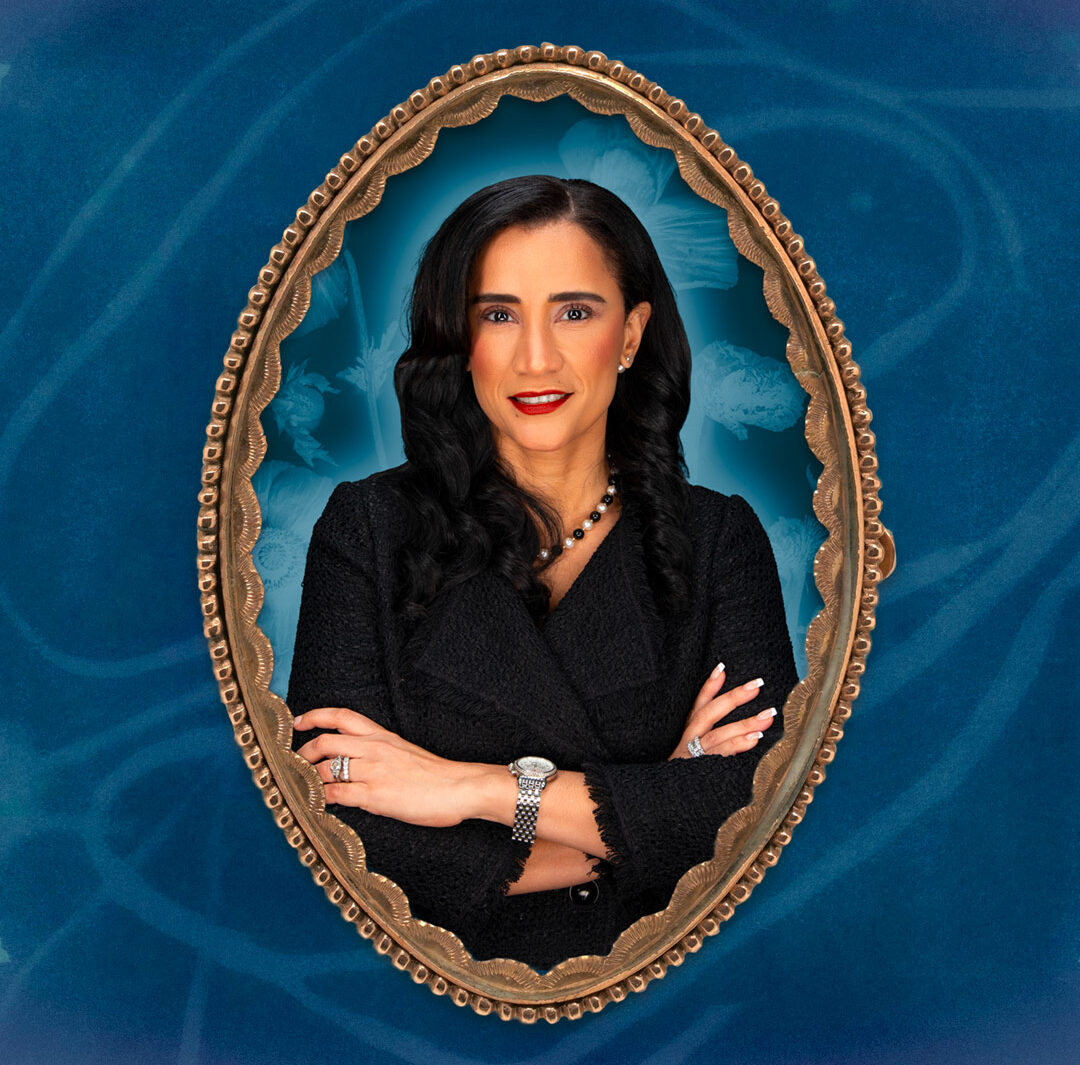

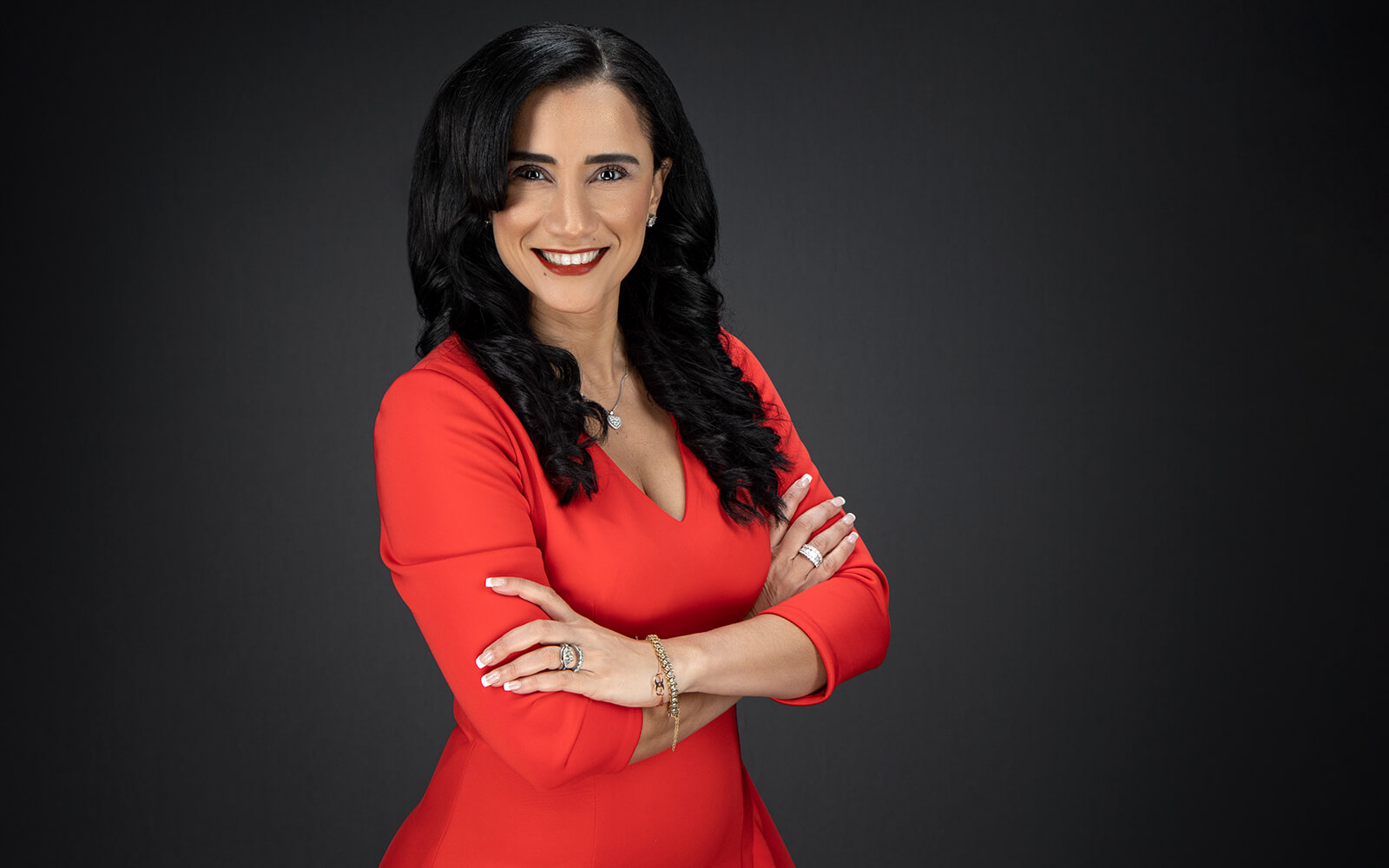
A historic, multibillion-dollar shift in who holds, and ultimately decides the future of, family capital is underway, and it’s increasingly landing in women’s hands. As that shift accelerates and intersects with many communities, including US Latinos, Bank of America’s Patricia Pacheco de Baez is building a rare kind of private-banking experience, one designed for US-based globally minded families who want sophisticated, holistic advice without silos and without being overlooked.
“This demographic shift isn’t coming, it’s already here,” says Pacheco de Baez, who is Managing Director and Private Client Advisor at Bank of America Private Bank. “The question is who will be prepared to advise the new generation of wealth.”
The Great Wealth Transfer
Over the next two decades, the “Great Wealth Transfer” is expected to move an estimated $124 trillion in personal and business assets in the United States from older generations to younger ones, according to Cerulli Associate. Of the total, $54 trillion will be transferred to surviving spouses, while another $47 trillion is expected to go to women in younger generations as wealth is inherited.
That change is reshaping balance sheets and decision-making as women are projected to control $34 trillion in investable assets by 2030. That’s about three times what they held at the start of the decade.
Beyond inherited wealth, women are earning a seat at the boardroom and creating new wealth. Today, some 14.5 million businesses are women-owned, or 39.2 percent of the US total. More impressive still, between 2019 and 2023, the revenue growth of women-owned businesses outpaced that of male-owned businesses by 82.4 percent as per Bank of America research.
“Education changed my life, and now I use that privilege to help families & individuals grow their wealth and their family legacy.”
Patricia Pacheco de Baez
Pacheco de Baez sees the resulting opportunity clearly. Business owners, family offices and assets allocators need a partner who can translate complexity into clarity, especially at moments when life changes force financial change.
“My job is to deliver a highly personalized boutique experience, backed by the capabilities and financial strength of one of the world’s leading financial institutions,” the managing director says. “It’s concierge access with institutional power and capabilities behind it.”
Partners, Not Products
In her experience, one of the most damaging mistakes advisors can make when navigating family dynamics is subtle but all too common. They fail to engage women as equal decision-makers and, in some instances, the primary decision-maker.
Against this backdrop, many global families are modernizing how they structure, protect, and deploy wealth, often across borders. Ultra-high-net-worth clients want to be served holistically in a way that addresses family dynamics, legacy and wealth.
Pacheco de Baez has lived the nuances inside that world for years. She describes a growing cohort of Latin American ultra-high-net-worth families whose next generation is increasingly US-based, ready to create and diversify their family wealth but not always visible to institutions that still rely on narrow pipelines and legacy networks.
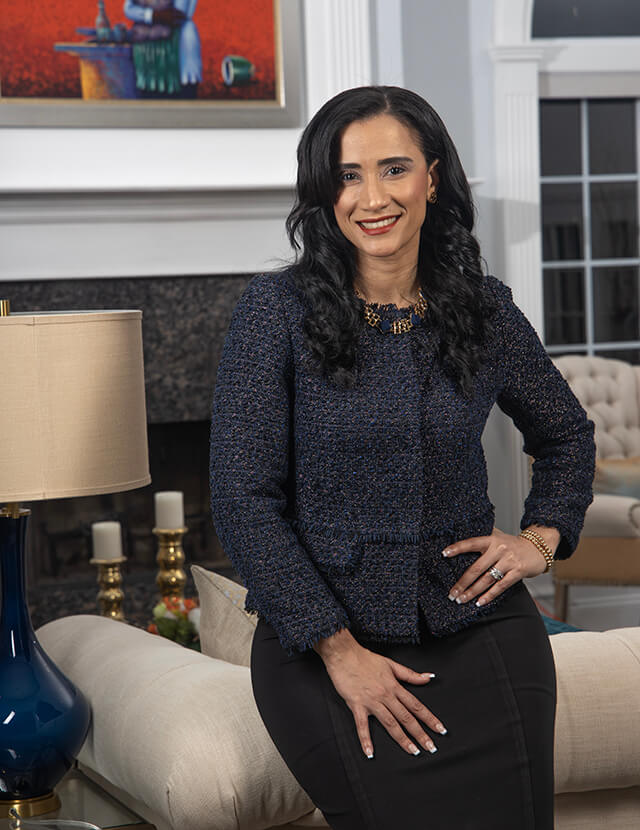
The managing director inherently understands that families want a more integrated model. With decades of experience in the banking industry and a personal journey that often mirrors her clients, Pacheco de Baez grasps both sides of the equation, and her experience is what makes her unique.
In a world where many bankers spend an entire career on either the institutional side (corporate bank, investment bank, international) or the private side (personal balance sheets, trusts, portfolios), Pacheco de Baez has credibility across both.
“Many colleagues and partners categorize me as a unicorn because I speak three languages at once: institutional banking, private banking, and a bicultural lived experience,” Pacheco de Baez says. “And I am relentless, because I don’t give up when it comes to delivering for my clients and my community.”
A Latino Journey of Perseverance
Pacheco de Baez’s story begins far from private banking or wealth of any kind. She was born in the Dominican Republic and grew up in humble surroundings. Her mother died at just forty-two. Education, Pacheco says, was her mother’s obsession, and that belief became a north star after her family immigrated to the United States to live with an aunt who worked multiple jobs.
She learned English through community support and an ESL teacher who remains part of her life. She attended college through the Higher Education Opportunity Program, studying international business and Latin American studies at Manhattanville University, and later acquiring her MBA at Kellogg Northwestern. She worked service jobs along the way, until a chance encounter at a restaurant table led to a first opportunity out of college at American Express as a temp.
That was the foot in the door that would start three decades of financial expertise at American Express, JPMorganChase, and Bank of America. She outlines hard work, preparation and mentorship from sponsors as the critical catalyst to her career success.
“Your current circumstances don’t define you,” Pacheco de Baez says. “Education changed my life, and now I use that privilege to help families & individuals grow their wealth and their family legacy.”
Pacheco de Baez has outlived her mother. It’s a strange feeling. The woman who birthed her, the first woman in her division at the Central Bank of the Dominican Republic in the 80’s, who was making loans to farmers, and modeling what a successful woman could look like, in many of these ways, Pacheco has become this for her own sixteen-year-old daughter.
But there are some things you just can’t teach. Being determined not to give up, is something Pacheco de Baez’s daughter will have to figure out all on her own.