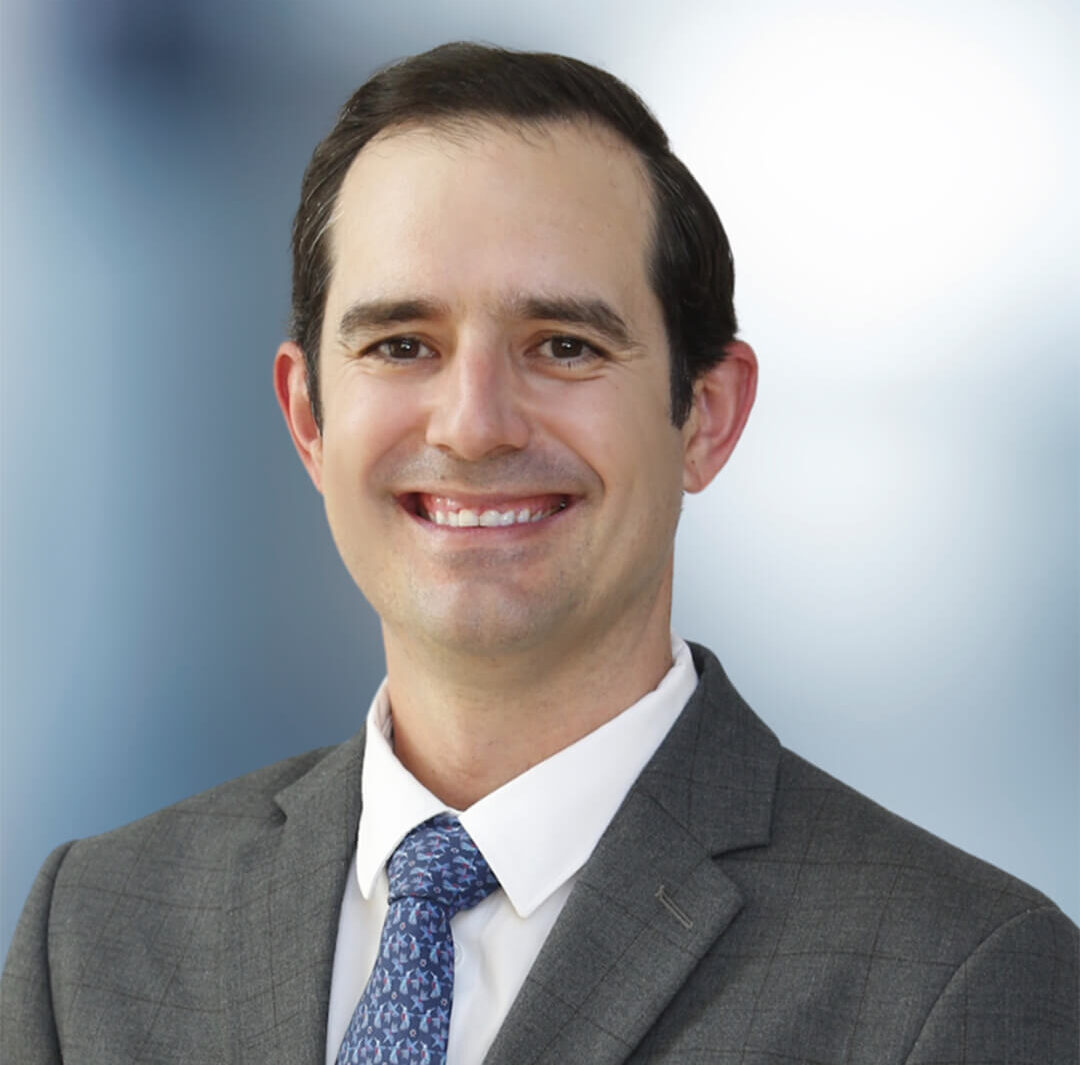

Sergio García del Bosque’s two decades of M&A expertise were virtually accidental. He came across a job board—physical, not digital—in college that would ultimately lead to him becoming a vital player in Mexico’s maturing M&A scene as managing director at Seale & Associates. While it may seem an unlikely trajectory for an engineering grad, García del Bosque sees it differently.
“In M&A, engineers devise solutions just as they do in technical fields,” García del Bosque says. “Hard work and common sense matter as much or even more than financial sophistication.”
The M&A pro says his background (which includes an Industrial Engineering degree from Monterrey Tech and an MBA from IPADE Business School) has shaped his approach to building diverse teams and enabling colleagues to grow, allowing them to struggle in growth and be present for guidance instead of micromanagement.
The managing director is an advocate for continued evolution in the M&A space in Mexico and was able to shed light on the current state of the industry, challenges he’s seen over the last fifteen years, and what direction the country needs to move in to continue its journey.
From Taboo to Strategic Option
García del Bosque says that not too long ago, and even today, selling a business in Mexico was seen as some sort of last resort, either as a failure to pass on a legacy to another generation or a sign of flagging fortunes. García del Bosque recalls how owners were unaware that they could get professional advice to buy or sell, or how to partner with international investors.
The managing director has played a vital role in helping business owners think more strategically and opportunistically, thinking of a potential sale not as an exit, but an opportunity for growth, partners, or reinvention.
As of August 2025, Mexico posted a 57 percent rise in deal value despite fewer transactions, mobilizing $16 billion across 111 closed deals.
“Over the last fifteen years, we’ve gone to business owners and explained how it is done elsewhere in the world,” García del Bosque says. “We explain that we can bring international players in to grow their business. It’s been exciting to be part of developing this market.”
Unique Mexican Challenges
There are unique challenges to Mexican M&A growth that García del Bosque says can make deals a bit tricky. Medium-sized Mexican firms still lag behind their international peers in accounting and governance practices. García del Bosque emphasizes the need for instilling habits like audited financials and independent boards. The maturation of company books and institutional knowledge can quickly complicate due diligence and transaction execution.
Financing is also a hurdle. Asset-backed lending prevails for small companies, while cash-flow-based lending—common in the US—is rare. Mexican banks only entertain larger firms, reducing the competitiveness of private equity and fueling a focus on strategic buyers.
“In Mexico, lack of leverage tilts the market toward strategic deals: bottlers sell to other bottlers, not private equity,” García del Bosque says. Despite these gaps, interest from international players continues to climb.
Nearshoring: Buzzword or Otherwise?
While nearshoring has dominated headlines over the past few years, García del Bosque says Mexico’s alignment with US supply chains dates back to the NAFTA era of the nineties. The recent wave, however, is fueled by geopolitical upheavals and COVID-era supply chain disruptions. American, European, Arab, and Asian investors are increasingly eyeing Mexico to serve the US market, especially in agriculture, automotive, aerospace, fintech, logistics, consumer products, among other.
“I think Mexico is strategically aligning itself with the United States in its broader trade rivalry with China,” García del Bosque says. “Traditionally, Mexico has been a key supplier in general manufacturing sectors such as automotive, but the future looks increasingly bright in advanced technologies, including chips, semiconductors, and data processing centers. The Mexican government’s recent decision to impose 50% tariffs on Chinese cars underscores this alignment. Mexico is positioning itself as the main supplier to the U.S. for the years to come, and we expect this dynamic to intensify as the renegotiation of the USMCA in 2026 approaches, further cementing regional integration.”
García del Bosque also highlights the reawakening of Mexico’s energy sector, contrasting the previous administration’s focus on sovereignty and state dominance with recent moves by the Sheinbaum government to restructure the power sector under CFE, open joint projects with Pemex and private firms like Grupo Carso, and engage U.S. officials on regional energy security — steps that suggest a more pragmatic approach to support Mexico’s industrial and technological ambitions.
Partners in Deals
García del Bosque says risk mitigation is paramount in deal negotiation. The managing director points to services offered by partners like Lockton, who offer transaction insurance that covers post-close contingencies such as tax or environmental issues. That insurance simplifies deals and replaces traditional escrows.
“Insurance allows sellers a clean exit and buyers peace of mind,” García del Bosque says. Insurance and advisory support are increasingly vital as the Mexican market adopts global standards for deal execution.
Cultural and Geographic Expansion
For Mexico’s market to continue to expand, García del Bosque says cultural attitudes need to continually evolve, as does investment and development in smaller cities such as Hermosillo, Saltillo, Querétaro, Torreón, León, San Luis Potosí, Chihuahua, Puebla, Aguascalientes, Mexicali, and Tijuana, which are emerging as industrial and technology hubs, as well as Cancún and Mérida, which are expanding service and tourism-driven economies — all of them holding untapped deal flow with their million-plus populations.
“We need to take best practices beyond Mexico City, Monterrey, and Guadalajara,” García del Bosque says. He also sees AI transforming M&A by not only improving target identification but also accelerating due diligence, flagging risks, benchmarking valuations, and even streamlining negotiations — making deals faster, smarter, and more precise.
For the next Generation of Dealmaker
The M&A veteran says the space can be a great one for Latinos, and it’s one he’d recommend. “It’s not rocket science, but you have to work very hard and keep a long view,” García del Bosque says.
“Opportunities will come.” With Mexico’s $1.6 trillion economy anchoring U.S. supply chains and Latinos in the U.S. generating over $3 trillion in GDP, he notes, the future of cross-border dealmaking is firmly in their hands.